
- Alarm Systems (Radio & Wire)
- 46 views
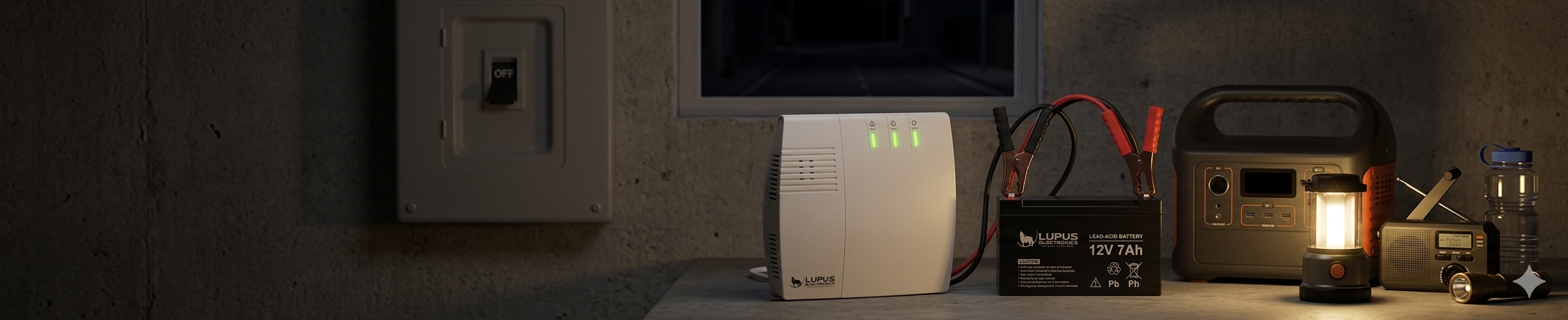
Modern security systems are designed to do far more than simply detect burglaries. Today’s alarm systems often integrate fire protection, water leak detection, access control, video surveillance and smart-home automation. However, the true reliability of a security system becomes especially important during emergencies such as power outages or large-scale blackouts.
In these situations, many traditional wired systems or cloud-dependent smart-home solutions can quickly reach their limits. If electricity, internet access or cloud services fail, parts of the security infrastructure may stop functioning entirely.
Autonomous alarm systems such as those offered by LUPUS-Electronics provide significant advantages during blackouts and infrastructure failures. Thanks to integrated backup batteries, wireless communication and independent alert mechanisms, these systems can continue operating even when power or internet connectivity is unavailable.
In this article, we explain why autonomous alarm systems offer greater reliability during blackouts and what to consider when choosing a modern security solution.
What Is an Autonomous Alarm System?
An autonomous alarm system is designed to operate independently from external infrastructure as much as possible.
This usually includes:
- Integrated backup battery systems
- Wireless communication technology
- Optional GSM or LTE connectivity
- Local alarm functionality
- Operation without permanent internet access
In contrast, many conventional systems heavily depend on:
- Continuous electrical power
- Active internet connections
- Cloud services
- WiFi infrastructure
- External servers
During emergency situations, these dependencies can become critical weaknesses.
Why Power Outages Create Security Risks
A power outage affects much more than lighting or household appliances. Many modern security and smart-home systems rely entirely on electricity and internet connectivity.
Commonly affected devices include:
- Routers and WiFi networks
- Surveillance cameras
- Smart-home systems
- Access control systems
- Cloud services
- Network video recorders
- Internet telephony
When power fails, many security systems may stop functioning properly.
This becomes especially problematic for:
- Intrusion detection
- Alarm notifications
- Video surveillance
- Access control
- Fire protection systems
Blackout Scenarios – Why Traditional Systems Often Fail
A large-scale blackout differs significantly from a short local power interruption.
Possible consequences include:
- Overloaded mobile networks
- Internet outages
- Data center failures
- Loss of cloud connectivity
- Smart-home disruptions
- WiFi network failures
Many modern “smart” security solutions depend heavily on cloud infrastructure. Without internet access, some systems may operate only partially or stop functioning entirely.
Particularly vulnerable are:
- Cameras without local storage
- Cloud-only alarm systems
- WiFi-based sensors
- Systems without battery backup
The Advantages of Autonomous Alarm Systems
Integrated Backup Power
Modern alarm systems such as those from LUPUS-Electronics include integrated battery backup systems.
Advantages:
- Continued operation during power failures
- Protection for several hours
- In some cases even multiple days
- Sensors remain active
- Sirens continue working
This ensures that intrusion protection remains operational even during outages.
Wireless Technology Instead of Full Cable Dependency
Wireless alarm systems provide several additional benefits:
- No extensive cabling required
- Flexible installation
- Sensors continue operating independently
- Easy expansion and upgrades
Professional wireless protocols also provide:
- Tamper detection
- Encrypted communication
- Continuous sensor supervision
Alarm Notifications Without Internet Access
Many high-quality alarm systems support alternative communication methods.
Possible options include:
- GSM or LTE modules
- SMS notifications
- Phone call alerts
- Local sirens
- Direct alarm forwarding
This allows alarm notifications to continue functioning even if the internet connection fails.
Why Local Systems Are Often Safer Than Cloud-Only Solutions
Cloud technologies offer convenience, but they also create dependencies.
Potential issues with cloud-only systems:
- Server outages
- Internet dependency
- Privacy concerns
- Limited offline functionality
- Subscription-based restrictions
Autonomous systems often store data locally and continue functioning independently from external services.
This improves:
- Reliability
- Data privacy
- System availability
- Response times
LUPUS – Autonomous Security Solutions for Modern Buildings
LUPUS-Electronics is a well-known manufacturer of professional wireless alarm systems in Europe.
Its systems combine:
- Intrusion protection
- Smart-home features
- Video surveillance
- Access control
- Hazard detection sensors
Especially important for blackout scenarios:
- Battery-powered control panels
- Wireless communication
- GSM modules
- Local alarm functionality
- High operational reliability
These systems are suitable for:
- Private homes
- Apartments
- Offices
- Commercial buildings
- Small businesses
Important Components of a Blackout-Ready Alarm System
Alarm Control Panel with Battery Backup
The central control unit should remain operational for many hours without external power.
Wireless Motion Detectors
Wireless sensors continue functioning during outages.
Door and Window Sensors
Critical access points remain protected during blackouts.
Outdoor Siren with Backup Battery
A loud siren remains an effective deterrent even without grid power.
GSM or LTE Communication Module
Allows alarm notifications independently from local internet access.
Local Video Storage
Surveillance recordings should be stored locally whenever possible.
Alarm Systems and Smart Homes – Beware of Overdependency
Many modern smart-home systems offer convenience but are not designed for crisis situations.
Possible problems include:
- Heavy cloud dependency
- WiFi instability
- Lack of backup power
- Mandatory internet access
- Weak wireless reliability
Professional alarm systems therefore often rely on:
- Dedicated wireless protocols
- Local system control
- Battery-powered operation
- Redundant communication methods
Who Benefits Most from Autonomous Alarm Systems?
Private Households
Protection during:
- Burglary attempts
- Power outages
- Vacation absences
Businesses
Important for:
- Offices
- Retail stores
- Warehouses
- Workshops
Critical Infrastructure
Especially important for:
- Server rooms
- Technical facilities
- Medical environments
- Industrial operations
Additional Advantages of Professional Wireless Alarm Systems
Besides blackout protection, modern systems also provide:
- Flexible expansion
- Easy retrofitting
- Reduced installation effort
- Mobile app control
- Camera integration
- Smoke and water detectors
- Smart-home functionality
This creates highly versatile security solutions for many different environments.
What to Consider When Buying an Alarm System
Not every alarm system is equally suitable for emergency situations.
Important criteria include:
- Battery runtime
- GSM/LTE support
- Local alarm functionality
- Local data storage
- Tamper protection
- Encrypted wireless communication
- Expandability
- Manufacturer support
Very inexpensive smart-home systems often provide only limited protection during power or internet outages.
Conclusion
Power outages and potential blackout scenarios clearly demonstrate the importance of independent security solutions. Systems that rely entirely on WiFi, cloud services or permanent internet connectivity can quickly fail during emergencies.
Autonomous alarm systems such as those from LUPUS-Electronics offer major advantages:
- Backup battery operation
- Wireless technology
- Local alarm functionality
- Independent mobile communication options
- High operational reliability
As digital infrastructure becomes increasingly important, reliable and independent security systems are becoming essential. A professionally planned autonomous alarm system provides not only everyday protection, but also significantly greater security during critical situations and emergencies.
Related products


